
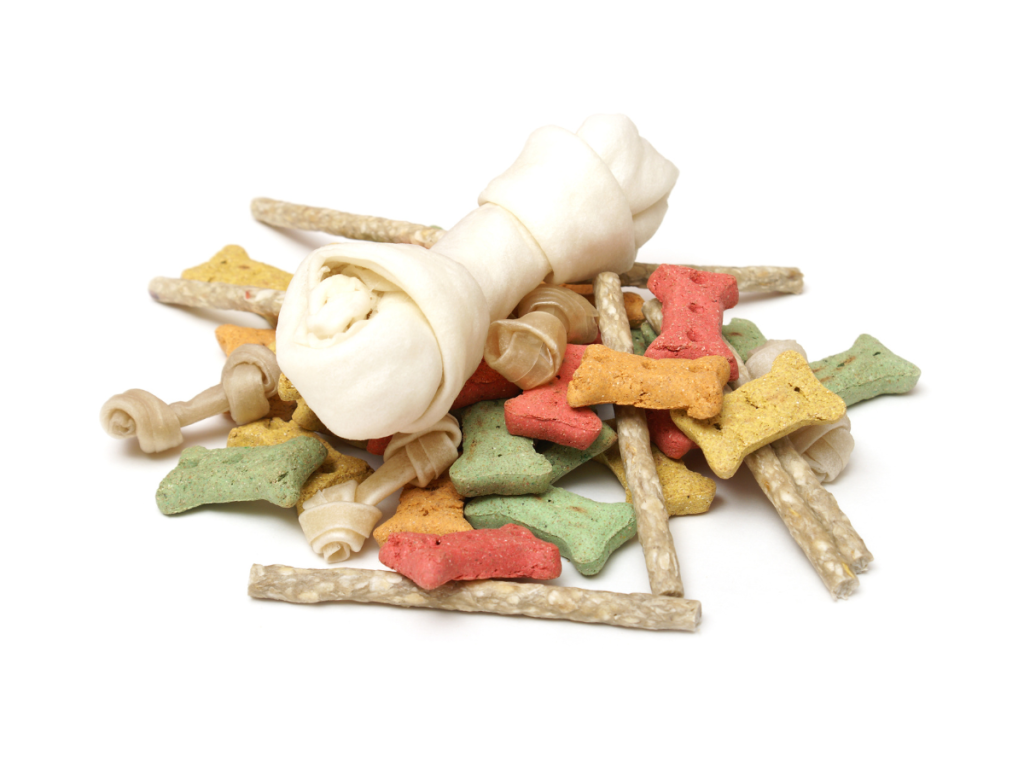
When it comes to choosing treats for our pets, most paw-rents focus on flavour, texture, and price. But there’s another crucial factor that often hides in plain sight — fillers. If you’ve ever flipped over a treat bag and spotted ingredients like brewer’s rice, corn gluten meal, or soybean oil, you may have wondered: what are these doing here — and are they safe for my pet?
Let’s unpack why fillers are used, the most common types you’ll find in pet treats, their potential side effects, and how to choose healthier options like Loyalty Pet Treats — pure, single-ingredient treats with nothing unnecessary added.
In the world of pet-food manufacturing, fillers serve several practical purposes — most of them cost-driven rather than nutrition-driven.
a) To reduce production costs
Ingredients such as corn, soy, and wheat are cheaper than meat or fish. By adding them, manufacturers can bulk up the product and cut production costs without changing its appearance. Unfortunately, that often translates into your pet getting more filler-based starches than meaningful nourishment.
b) To shape texture and consistency
Fillers give treats a uniform shape or satisfying crunch. However, when they dominate the recipe, they replace nutrient-dense proteins and beneficial fats that actually support your pet’s wellbeing.
c) To extend shelf life
Certain fillers (like flours, gums, or cellulose) stabilise moisture and improve shelf stability. While that’s great for manufacturers and retailers, it often comes at the cost of digestibility and nutritional value.
So, while fillers may benefit the manufacturers and retailers, they rarely do much for pets. Over time, they can even contribute to inflammation, allergies, or digestive upset — especially in sensitive dogs and cats.
Not every filler is harmful — it depends on how much is used and why. Here are some of the most common filler or additive ingredients that can raise concern when they appear near the top of an ingredient list:
When these ingredients make up most of a treat, they crowd out valuable nutrients — reducing overall quality and potentially irritating your pet’s gut.
When treats rely too heavily on these fillers instead of functional nutrition, several health issues can creep in — often slowly and subtly.
a) “Empty calories” that don’t nourish
Starches and by-products like brewer’s rice or corn gluten meal add calories but few usable nutrients. Pets may eat enough to feel full but still lack essential amino acids, fatty acids, and antioxidants. Over time, that can lead to dull coats, reduced energy, or muscle loss.
b) Digestive irritation and microbiome imbalance
Certain ingredients — such as beet pulp, powdered cellulose, or ground nut shells — can irritate the gut lining or feed the wrong types of bacteria. This disrupts your pet’s microbiome, leading to bloating, gas, loose stools, or even chronic inflammation.
If your pet often experiences stomach upset or soft stools, try supporting their gut with K+ Lab Gut Health Liquid Supplement, which helps restore balance and improve nutrient absorption.
c) Inflammation that strains organs and joints
Inflammatory fillers like soybean oil, corn, and processed starches can contribute to systemic inflammation, placing added stress on the kidneys, liver, and joints. Pets on high-filler diets are more prone to stiffness, fatigue, and long-term degenerative conditions.
If you notice your pet slowing down or showing signs of discomfort, consider combining a filler-free diet with the Marlo All-in-One Multivitamin, which has anti-inflammatory properties, while supporting overall vitality.
d) Allergy triggers and skin problems
Fillers like wheat, corn, soy, and certain synthetic “natural flavors” are common allergens that may cause itching, hot spots, or chronic ear infections. Because these ingredients are so widespread, many pets experience low-grade inflammation without their owners realising the source.
e) Weight gain and metabolic stress
Processed starches such as rice, potatoes, and pea proteins can lead to excessive calorie intake and weight gain. Over time, this extra weight worsens joint pressure and increases the risk of diabetes and other inflammatory diseases.
f) Nutrient dilution and low-grade formulations
Heavy reliance on fillers usually signals cost-cutting. The treat may appear appealing but lacks the nutritional depth pets need for long-term health. Low transparency in ingredient sourcing also means inconsistent quality from batch to batch.
The healthiest alternative to filler-based treats are single-ingredient options — like those from Loyalty Pet Treats, now available on Harmony Pets.
These treats contain only one whole-food ingredient — chicken breast, lamb lung, kangaroo meat, mussel, or beef lung — and nothing else. No flours, grains, artificial flavours, or synthetic preservatives.
a) Pure protein, naturally preserved
Loyalty Pet Treats use the Nutrieseal® low-temperature dehydration method to gently remove moisture while locking in nutrients, flavour, and aroma. It keeps the amino acids and enzymes intact — the natural way pets were meant to eat.
b) No unnecessary additives
Each treat — from Beef Tripe to Kangaroo Stripes — is made from a single, clearly named ingredient. That makes them ideal for pets with food sensitivities or paw-rents who want total transparency.
c) Better for digestion and training
Because every treat is crafted from a single, wholesome protein source — pure meat or organs — without extra bulk, it’s easy to digest and perfect for daily rewards or training.
d) Naturally satisfying and nutrient-dense
Single-ingredient treats provide dense, natural protein that satisfies pets faster — meaning fewer treats are needed. High-quality protein also helps maintain lean muscle, glossy coats, and healthy energy levels.
(Curious about healthier swaps? Check out our instagram post Can Dogs Eat Peanut Butter? to learn why some treats marketed as “fun snacks” aren’t always the best choice.)
Before buying your next bag of treats, keep these label-reading tips in mind:
a) Look for named ingredients first. Quality proteins — chicken, lamb, fish, or liver — should appear at the top of the list.
b) Watch for vague or generic terms. “Animal by-product,” “meat meal,” or “vegetable protein extract” are often cover-ups for filler blends.
c) Be cautious with starches and oils. Ingredients like brewer’s rice, soybean oil, and potato starch are calorie-dense but low in nutrients.
d) Check the guaranteed analysis. High protein (from real meat) and moderate fat are signs of a nutritious treat.
e) Choose transparency. Reputable brands clearly state ingredient origins and processing methods — a sure sign of integrity and quality.
Even with clean, filler-free treats, moderation is key. Treats should make up no more than 10% of your pet’s daily caloric intake. The rest should come from a complete, balanced diet.
For a holistic approach to wellness, consider complementing these treats with targeted supplements like Daiwa Genki to support immunity, and recovery.
Your pet’s treats should reward and nourish — not just fill them up. Fillers may make products cheaper, but they don’t make them healthier. By choosing natural, filler-free options, you’re giving your fur-kid the wholesome nutrition they deserve — single-ingredient goodness, rich in flavour, protein, and love.
Because when it comes to your pet’s wellbeing, every ingredient counts!